
Statistics are dumb
so why do I love them so much?
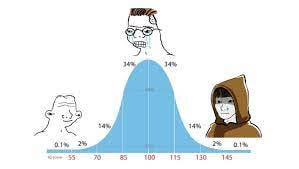
I quit my job ~6 months ago to go full-time working on my own ideas. The first product I launched was a tool to help product managers conduct better user interviews. It made perfect sense. My last role was as a product manager, I had identified problems in my job that I could solve with software, and I had the skills to build a solution.
About 8 weeks into it, I faced my first real challenge — making my first real sale. I had a few paying users, but they only paid because they knew me.
I sent about 50 LinkedIn messages, had 5ish conversations with potential customers, but no one seemed to need what I built. This lull led to boredom, and I convinced myself that statistically speaking this business was likely to fail since it was my first attempt, so I might as well move on to something that I found more exciting.
I figured, if I’m probably going to fail on my first attempt anyways, why not just move on to attempt number two? After all, the odds of success for a first time entrepreneur are something like 10%, so surely I’ll succeed if I make at least 10 projects, right?
This was really dumb. I convinced myself that the statistics were the reason I should move on, when really I just wanted to try something new because I was bored and discouraged.
This “throw stuff at the wall until something sticks” definitely can work. One example is Pieter Levels who was a big inspiration for me to quit my job.
He has a slew of software products he’s built over the course of 10 years that make $3 million per year combined. He says that if something doesn’t show signs of success quickly, you should probably kill it. He’s shipped over 70 products and only 5 or 6 have been successful.
This approach resonated with me for 2 reasons:
I love building new things from scratch
By taking this approach, I was giving myself a cop out.
If ~10% of first time entrepreneurs succeed, then all I have to do is be average and try 10 times to find my first success, right?
I’ve started and stopped 3 projects now. I’ve made a few thousand bucks, but have no real success to speak of. Maybe if I work on 7 more projects, one of them will take off, but I’m now convinced that it’s not the small number of things I’ve tried, but rather the intensity that I’ve tried them with that has led to my failures.
After spending the last 3 months in San Francisco at buildspace working on my last idea, my mindset has shifted. I was convinced that if I just started enough new things, eventually something would work.
After meeting a bunch of successful entrepreneurs in SF, I realize that it’s not just about the number of shots on target, but also the quality of those shots. Whether they had worked on 1 project, 3 projects, or 30 projects before they found their first success, they all had 1 thing in common — they were worried about beating the statistic, not being the statistic.
In order to beat the statistics, you have to put extraordinary effort into everything you do, not just do an above average volume of average work. Statistics can be a great tool for long-term thinking, but they often hinder me when I rely on them too much for every day decisions.
In all of my prior jobs, I was rewarded for using statistics and thinking long-term. In the first few months of this this new phase of life, I have struggled to shift away from that mindset. Going forward, I’m trying to focus more on the day-to-day, managing my emotions, and not outsmarting myself with statistics.
loved this.
the statistic you mention is a funny one, because it was likely only observed in retrospect. at the time of each idea, it probably felt like *the one.* that's how it should feel, or we need to make it better until it does feel that way.
also, it is incredibly easy for us builder types to get caught up in "rationalization" or "cope," i noticed this a lot during sf1 lol. any justification of a decision we make that clearly does not take us closer to our goal is pretty much always cope.